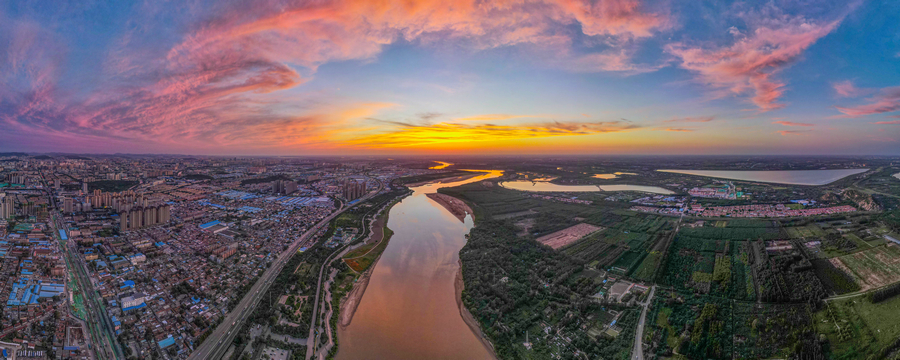
Yellow River National Cultural Park
Introduction
The Yellow River National Cultural Park is a monumental initiative aimed at preserving and promoting the cultural and ecological heritage of the Yellow River, often referred to as China's "mother river". Spanning the entire course of the river, the park serves as a natural and cultural museum that showcases the rich history, traditions, and landscapes associated with this iconic waterway. The Yellow River, which originates from the Qinghai-Tibet Plateau and flows through nine provinces before emptying into the Bohai Sea, has nurtured Chinese civilization for thousands of years. The park integrates ecological conservation, cultural heritage protection, and tourism development, offering visitors an immersive journey through time and nature.
History and Background
The Yellow River National Culture Park was established as part of China's broader efforts to preserve and promote its cultural heritage. The idea of creating national cultural parks, including those dedicated to the Great Wall, the Grand Canal, the Long March, and the Yangtze River, was first introduced in late 2019. These parks were envisioned to display the splendid Chinese civilization to the world while safeguarding the ecological environments of their respective regions.
The Yellow River National Cultural Park builds on this vision, with its development guided by national strategies for ecological protection and high-quality development of the Yellow River basin. The park aims to highlight the historical significance of the Yellow River, which has been a cradle of Chinese culture and civilization for millennia. Key milestones in the park's development include the establishment of the Institute of the Yellow River National Cultural Park, which provides academic and intellectual support for the initiative. The institute focuses on areas such as think tank construction, cultural communication, applied research, and talent training.
Objectives and Significance
The primary objectives of the Yellow River National Cultural Park are to protect the ecological environment of the Yellow River, preserve its cultural heritage, and promote sustainable tourism. By achieving these goals, the park seeks to enhance public awareness of the river's historical and cultural importance while contributing to the high-quality development of the Yellow River basin.
The park's significance lies in its role as a cultural corridor that connects various historical sites, traditions, and natural landscapes along the river. It serves as a platform for cultural exchanges and mutual learning between civilizations, both within China and internationally. The park also plays a crucial role in implementing national strategies for ecological protection and cultural preservation, ensuring that the Yellow River's legacy is passed down to future generations.
Key Features
Cultural Heritage Protection
The Yellow River National Cultural Park is dedicated to preserving the rich cultural heritage associated with the river. This includes safeguarding ancient relics, architectural marvels, and intangible cultural treasures such as folk performances, artisanal crafts, and culinary traditions. The park features sites like the Yangshao and Longshan cultural areas, Bingling Temple's Buddhist grottoes, and historical landmarks in Luoyang, Henan province. These sites offer visitors a glimpse into the river's storied past and its role in shaping Chinese civilization.
Ecological Conservation
Ecological conservation is a cornerstone of the Yellow River National Cultural Park. The park aims to protect the river's natural landscapes, including towering cliffs, mystical stone forests, deep gorges, vast grasslands, and thundering waterfalls. Efforts are also made to maintain the river's ecological balance and address challenges such as soil erosion and water pollution. By preserving the river's environment, the park ensures that its natural beauty and resources remain intact for future generations.
Tourism Development
The Yellow River National Cultural Park promotes sustainable tourism by offering visitors interactive and immersive experiences. Modern display techniques and interactive exhibits allow visitors to explore the cultural and ecological aspects of the river. Activities include sampling authentic local cuisine, participating in folk traditions, and attending cultural performances. The park also features curated itineraries that highlight key cities and attractions along the river, providing a condensed yet comprehensive exploration of its allure.
Major Sites and Attractions
The Yellow River National Cultural Park encompasses a wide range of sites and attractions that showcase the river's cultural and natural heritage. Key locations include:
Yangshao and Longshan Cultural Areas: These sites highlight ancient civilizations that flourished along the river, known for their painted pottery and early agricultural practices.
Bingling Temple: Located in Gansu province, this site features intricate Buddhist grottoes that reflect spiritual devotion.
Luoyang: Known for its architectural marvels and historical significance, Luoyang offers a glimpse into dynasties of the past.
Yellow River Delta: This area serves as a hub for ecological and cultural exploration, featuring diverse landscapes and wildlife.
Cultural Activities and Events
The Yellow River National Cultural Park hosts a variety of cultural activities and events that celebrate the river's heritage. Highlights include:
Qinqiang Opera: A theatrical treasure from Shaanxi province, featuring high-pitched vocals, intricate makeup, and exaggerated movements.
Confucius Memorial Ceremony: Held annually in Qufu, Shandong province, this grand ritual honors the ancient philosopher with traditional music, dance, and recitations.
Luoyang Peony Festival: A spring event celebrating the city's title as the "Millennium Capital, Peony City," with vast gardens, cultural performances, and art exhibitions.
Shadow Puppetry: A captivating art form featuring intricately carved leather puppets, live folk music, and poetic narratives.
International Promotion and Collaboration
The Yellow River National Cultural Park aims to promote Yellow River culture on a global scale through international collaboration and exchanges. Efforts include translating Chinese texts into foreign languages, organizing cultural forums, and showcasing the park's attractions to international audiences. The park serves as a platform for mutual learning between civilizations, fostering a deeper understanding of the Yellow River's legacy and its contributions to global culture.








